-
Faculty of Arts and HumanitiesJakobi 2, r 116-121, 51005 Tartu linn, Tartu linn, TartumaaJakobi 2, 51005 Tartu linn, Tartu linn, TartumaaJakobi 2, IV korrus, 51005 Tartu linn, Tartu linn, TartumaaJakobi 2, III korrus, ruumid 302-337, 51005 Tartu linn, Tartu linn, TartumaaÜlikooli 16, 51003 Tartu linn, Tartu linn, TartumaaÜlikooli 18, 50090 Tartu linn, Tartu linn, TartumaaLossi 3, 51003 Tartu linn, Tartu linn, TartumaaPosti 1, 71004 Viljandi linn, ViljandimaaJakobi 2, 51005 Tartu linn, Tartu linn, TartumaaJakobi 2, 51005 Tartu linn, Tartu linn, TartumaaFaculty of Social SciencesLossi 36, 51003 Tartu linn, Tartu linn, TartumaaJakobi 5, 51005 Tartu linn, Tartu linn, TartumaaLossi 36, ruum 301, 51003 Tartu linn, Tartu linn, TartumaaNarva mnt 18, 51009 Tartu linn, Tartu linn, TartumaaNäituse 2, 50409 Tartu linn, Tartu linn, TartumaaNäituse 20 - 118, 50409 Tartu linn, Tartu linn, TartumaaLossi 36, 51003 Tartu linn, Tartu linn, TartumaaRaekoja plats 2, 20307 Narva linn, Ida-VirumaaLossi 36, 51003 Tartu linn, Tartu linn, TartumaaLossi 36, 51003 Tartu linn, Tartu linn, TartumaaFaculty of MedicineRavila 19, 50411 Tartu linn, Tartu linn, TartumaaBiomeedikum, Ravila 19, 50411 Tartu linn, Tartu linn, TartumaaNooruse 1, 50411 Tartu linn, Tartu linn, TartumaaL. Puusepa 1a, 50406 Tartu linn, Tartu linn, TartumaaL. Puusepa 8, 50406 Tartu linn, Tartu linn, TartumaaRavila 19, 50411 Tartu linn, Tartu linn, TartumaaUjula 4, 51008 Tartu linn, Tartu linn, TartumaaRavila, 50411 Tartu linn, Tartu linn, TartumaaRavila 19, 50411 Tartu linn, Tartu linn, TartumaaFaculty of Science and TechnologyVanemuise 46 - 208, 51003 Tartu linn, Tartu linn, TartumaaNarva mnt 18, 51009 Tartu linn, Tartu linn, TartumaaRavila 14a, 50411 Tartu linn, Tartu linn, TartumaaNarva mnt 18, 51009 Tartu linn, Tartu linn, TartumaaRiia 23, 23b - 134, 51010 Tartu linn, Tartu linn, TartumaaNooruse 1, 50411 Tartu linn, Tartu linn, TartumaaJ. Liivi tn 2, 50409 Tartu linn, Tartu linn, TartumaaRiia 23b/2, 51010 Tartu linn, Tartu linn, TartumaaVanemuise 46, 51003 Tartu linn, Tartu linn, TartumaaVanemuise 46, 51003 Tartu linn, Tartu linn, TartumaaArea of RectorArea of Vice Rector for Academic AffairsUppsala 10, 51003 Tartu linn, Tartu linn, TartumaaÜlikooli 18b, 51005 Tartu linn, Tartu linn, TartumaaÜlikooli 18a (III korrus), 51005 Tartu linn, Tartu linn, TartumaaArea of Vice Rector for ResearchW. Struve 1, 50091 Tartu linn, Tartu linn, TartumaaArea of Director of AdministrationÜlikooli 18, ruumid 102, 104, 209, 210, 50090 Tartu linn, Tartu linn, TartumaaÜlikooli 18A (III korrus), 51005 Tartu linn, Tartu linn, TartumaaArea of Head of FinanceÜlikooli 17, 51005 Tartu linn, Tartu linn, TartumaaArea of Vice Rector for DevelopmentLossi 25, 51003 Tartu linn, Tartu linn, TartumaaVanemuise 46, 51003 Tartu linn, Tartu linn, TartumaaNarva mnt 18, 51009 Tartu linn, Tartu linn, TartumaaArea of Academic SecretaryUppsala 6, Lossi 36, 51003 Tartu linn, Tartu linn, Tartumaa
Children's Universities: it’s important to bridge the gap between universities and disadvantaged communities
Can children's Universities and other similar activities bridge the gap between universities and disadvantaged communities? What are the ethical issues, especially when engaging with children and young people? International delegates attending the SiS Catalyst conference will explore these difficult questions at the University of Tartu, Estonia this week (24–26 April).
SiS Catalyst is a European-funded initiative to foster mutual engagement between children and social institutions, such as universities, through such things as Science in Society activities. It has special concern with children from communities that have poor links to higher education. It will produce toolkits and guides, including on Ethics, to assist others.
Also participating in the conference will be its 'mentoring associates' – representatives of organisations from different parts of the world working together to strengthen their engagement with children.
Speakers at the conference will include several leading experts and activists in the field. Social activist Zack Kopplin and children's rights expert Laura Lundy will lead discussions, together with Professor Margit Sutrop from the University of Tartu's Centre for Ethics.
- Zack Kopplin is an energetic young American. He has been leading the campaign for the repeal of the Louisiana Science Education Act. This law allows creationism and intelligent design creationism to be taught in Louisiana public schools in his home state of Louisiana. He has won the support of many Nobel laureates and has gained a high media profile in the U.S.
- Professor Laura Lundy from Queen's University, Belfast, Ireland is an expert on children's rights and the law with a focus on children's rights to participate in decision-making. She is a former equal opportunities commissioner for Northern Ireland.
- Professor Margit Sutrop from the University of Tartu, Centre for Ethics is a highly respected expert on ethics both at international and national level. She is an ethics expert of the EC’s 7th Framework Programme and Member of the Estonian Education Strategy Commission and the initiator of the National Values Development Programme.
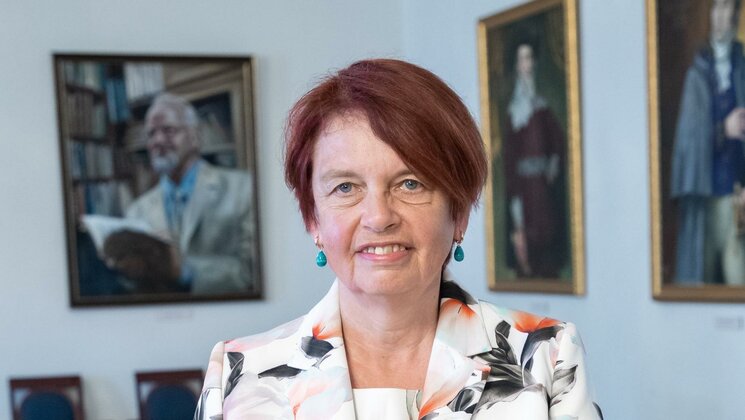
According to the host of the conference, Head of the University of Tartu’s Centre for Ethics Professor Margit Sutrop, introducing science to children and especially to kids who have less chance of obtaining higher education, is a praiseworthy cause.
“However, the newly forged link between science and children gives rise to various ethical challenges which need to be addressed. Until now, the focus has been rather on children as well as on research carried out by children and related issues. Work that has been carried out so far with project partners has shown that also activities carried out with children may give rise to questions which require wider discussion and solutions. For example, what to do in a situation in which children who have been introduced to science are delighted by the experience but there are no opportunities to continue similar activities in their area and schools?” Sutrop brings an example of questions that may arise and emphasizes the need for ethical guidance in child protection.
The conference will be held within the framework of the conference series “Third Policy-Practice-Interface Conference” and the EC’s 7th FP project “Children as Change Agents for Science in Society” (SiSCatalyst).
See also the conference programme.
For further information on the conference, please contact: Kristi Lõuk, University of Tartu Centre for Ethics, Tel: +372 737 5327, Email: [email protected]. For further information about the SiS Catalyst initiative: [email protected].
Mobile: +372 5815 5392
Read more similar news