-
Faculty of Arts and HumanitiesJakobi 2, r 116-121, 51005 Tartu linn, Tartu linn, TartumaaJakobi 2, 51005 Tartu linn, Tartu linn, TartumaaJakobi 2, IV korrus, 51005 Tartu linn, Tartu linn, TartumaaJakobi 2, III korrus, ruumid 302-337, 51005 Tartu linn, Tartu linn, TartumaaÜlikooli 16, 51003 Tartu linn, Tartu linn, TartumaaÜlikooli 18, 50090 Tartu linn, Tartu linn, TartumaaLossi 3, 51003 Tartu linn, Tartu linn, TartumaaPosti 1, 71004 Viljandi linn, ViljandimaaJakobi 2, 51005 Tartu linn, Tartu linn, TartumaaJakobi 2, 51005 Tartu linn, Tartu linn, TartumaaFaculty of Social SciencesLossi 36, 51003 Tartu linn, Tartu linn, TartumaaJakobi 5, 51005 Tartu linn, Tartu linn, TartumaaLossi 36, ruum 301, 51003 Tartu linn, Tartu linn, TartumaaNarva mnt 18, 51009 Tartu linn, Tartu linn, TartumaaNäituse 2, 50409 Tartu linn, Tartu linn, TartumaaNäituse 20 - 118, 50409 Tartu linn, Tartu linn, TartumaaLossi 36, 51003 Tartu linn, Tartu linn, TartumaaRaekoja plats 2, 20307 Narva linn, Ida-VirumaaLossi 36, 51003 Tartu linn, Tartu linn, TartumaaLossi 36, 51003 Tartu linn, Tartu linn, TartumaaFaculty of MedicineRavila 19, 50411 Tartu linn, Tartu linn, TartumaaBiomeedikum, Ravila 19, 50411 Tartu linn, Tartu linn, TartumaaNooruse 1, 50411 Tartu linn, Tartu linn, TartumaaL. Puusepa 1a, 50406 Tartu linn, Tartu linn, TartumaaL. Puusepa 8, 50406 Tartu linn, Tartu linn, TartumaaRavila 19, 50411 Tartu linn, Tartu linn, TartumaaUjula 4, 51008 Tartu linn, Tartu linn, TartumaaRavila, 50411 Tartu linn, Tartu linn, TartumaaRavila 19, 50411 Tartu linn, Tartu linn, TartumaaFaculty of Science and TechnologyVanemuise 46 - 208, 51003 Tartu linn, Tartu linn, TartumaaNarva mnt 18, 51009 Tartu linn, Tartu linn, TartumaaRavila 14a, 50411 Tartu linn, Tartu linn, TartumaaNarva mnt 18, 51009 Tartu linn, Tartu linn, TartumaaRiia 23, 23b - 134, 51010 Tartu linn, Tartu linn, TartumaaNooruse 1, 50411 Tartu linn, Tartu linn, TartumaaJ. Liivi tn 2, 50409 Tartu linn, Tartu linn, TartumaaRiia 23b/2, 51010 Tartu linn, Tartu linn, TartumaaVanemuise 46, 51003 Tartu linn, Tartu linn, TartumaaVanemuise 46, 51003 Tartu linn, Tartu linn, TartumaaArea of RectorArea of Vice Rector for Academic AffairsUppsala 10, 51003 Tartu linn, Tartu linn, TartumaaÜlikooli 18b, 51005 Tartu linn, Tartu linn, TartumaaÜlikooli 18a (III korrus), 51005 Tartu linn, Tartu linn, TartumaaArea of Vice Rector for ResearchW. Struve 1, 50091 Tartu linn, Tartu linn, TartumaaArea of Director of AdministrationÜlikooli 18, ruumid 102, 104, 209, 210, 50090 Tartu linn, Tartu linn, TartumaaÜlikooli 18A (III korrus), 51005 Tartu linn, Tartu linn, TartumaaArea of Head of FinanceÜlikooli 17, 51005 Tartu linn, Tartu linn, TartumaaArea of Vice Rector for DevelopmentLossi 25, 51003 Tartu linn, Tartu linn, TartumaaVanemuise 46, 51003 Tartu linn, Tartu linn, TartumaaNarva mnt 18, 51009 Tartu linn, Tartu linn, TartumaaArea of Academic SecretaryUppsala 6, Lossi 36, 51003 Tartu linn, Tartu linn, Tartumaa
UT researchers developing Tartu into inclusive campus
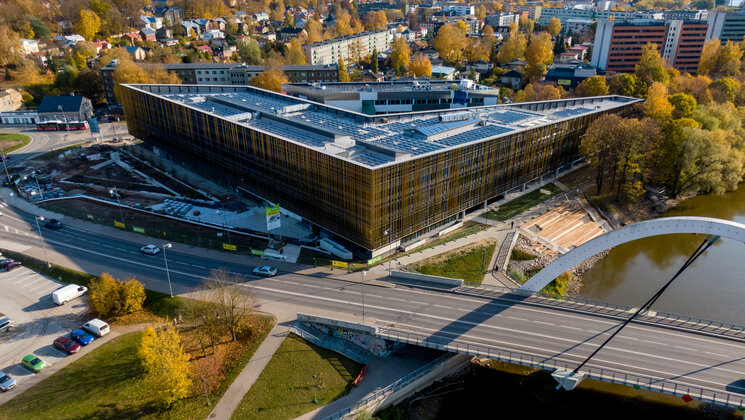
With the aim to develop Tartu’s university campus into an open, higher quality environment which supports innovation, the University of Tartu Department of Geography’s Mobility Lab uses smart phones and interviews to study how students, employees of the university and other creative establishments use the urban space in relation to the location of academic buildings or the workplace.
The location of studying or work forms the way of life of those who use the building—activities and places of activities, choice of transport and time use. These in turn affect the content and location of the services provided in the city, but also the accumulation of risk situations and environmental problems.
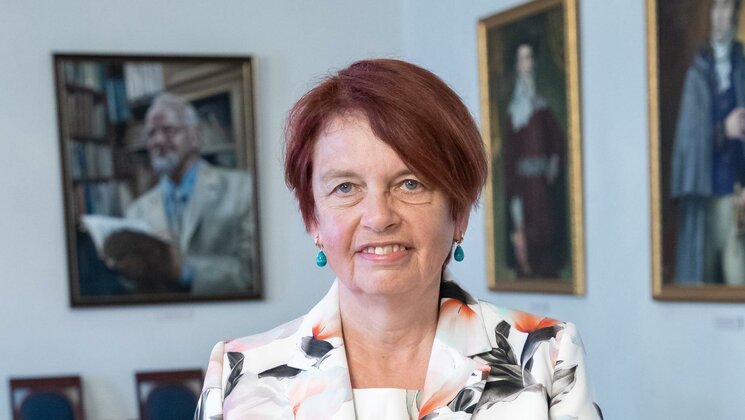
Developer of mobility studies, UT Professor of Human Geography Rein Ahas said that the joint development of universities and the city is a key factor in Tartu’s competitiveness. “Nowadays, universities and cities compete for students, residents, investments and innovation, which is why the joint planning of the urban space and university campuses is important in all of Europe.”
According to Ahas, the location of the university buildings in the city is one of the most important factors that keeps the life in the Tartu city centre active: “The university brings active people, knowledge-intensive enterprises and various support services to the city centre. Buildings of higher education institutions are an important development force in other areas of the city as well, for example, the Maarjamõisa campus and the Kreutzwald Street campus of the University of Life Sciences are developing quickly.
UT researchers are developing the campus in the project for planning and developing Baltic Sea region campuses, Live Baltic Campus, where a planning model is prepared on the basis of case studies of different cities, which helps design the use of space and provided services in cooperation of universities, city government, residents and enterprises.
Participants of the Live Baltic Campus project are the City of Helsinki, University of Turku, Uppsala University, Stockholm University, University of Latvia, Riga Planning Region, and the University of Tartu. The lead partner of Live Baltic Campus is Helsinki Metropolia University of Applied Sciences. Tartu City Government and urban planners also participate.
The main funder of the project is the Central Baltic Programme of the European Regional Development Fund.
Additional information
Rein Ahas, Professor at UT Department of Geography, developer of mobility studies
+372 5035914
[email protected] / mobilitylab.ut.ee
Mobile: +372 5815 5392
Read more similar news